Reading: A Day in Madrid
Read a short story about Lucía and her friend Carmen, then answer questions about the text. Build reading comprehension, learn new words in context, and practise the preterite.
Before you start
Read the story once without stopping. Then read it again and look for the time markers: words like todos los días, ayer, por la mañana, and a medianoche tell you when things happen. The questions below check your understanding of the main events, the details, and the grammar used to tell the story.
Un día en Madrid
Me llamo Lucía y vivo en Madrid desde hace tres años. Todos los días me levanto a las siete y media. Desayuno un café con leche y una tostada en una cafetería cerca de mi casa. Después, tomo el metro hasta el centro, donde trabajo en una librería.
Ayer fue un día especial. Mi amiga Carmen llegó de Sevilla por la mañana. Caminamos por el Retiro, el parque más famoso de la ciudad, y nos sentamos junto al lago. Por la tarde visitamos el Museo del Prado, y yo compré un libro de pintura en la tienda del museo.
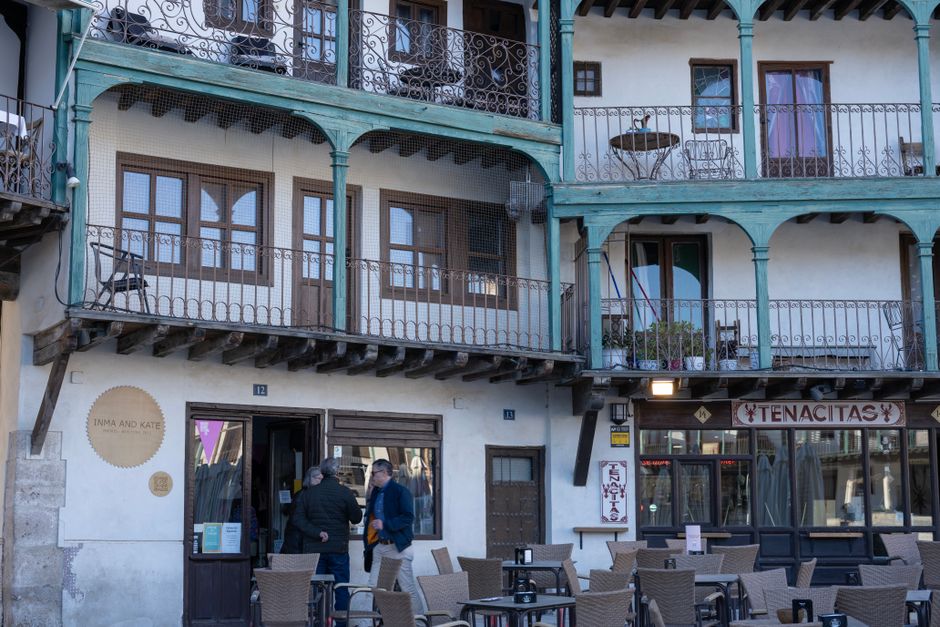
Por la noche cenamos en una plaza tranquila. Pedimos tapas, jamón, tortilla y un vino tinto. Hablamos de nuestros planes para el verano. Carmen quiere hacer surf, y yo quiero viajar a Portugal. Volvimos a casa a medianoche, cansadas pero muy felices.
Useful words from the story
- la librería — bookshop
- la tostada — toast
- junto a — next to
- tranquilo / tranquila — calm, quiet
- cansado / cansada — tired
- volver — to return, to go back
Notice the tenses
The routine (me levanto, desayuno, trabajo) is in the present tense because it repeats. The events of yesterday (llegó, caminamos, compré, cenamos) are in the preterite because they were completed. Lucía and Carmen are women, so the adjectives agree with the feminine form: cansadas and felices.
Want to practice your Spanish with a real teacher?
Book a personalized Spanish lesson with Juan Pablo on Preply.